Sofa in everyday use: comfort and style without excess
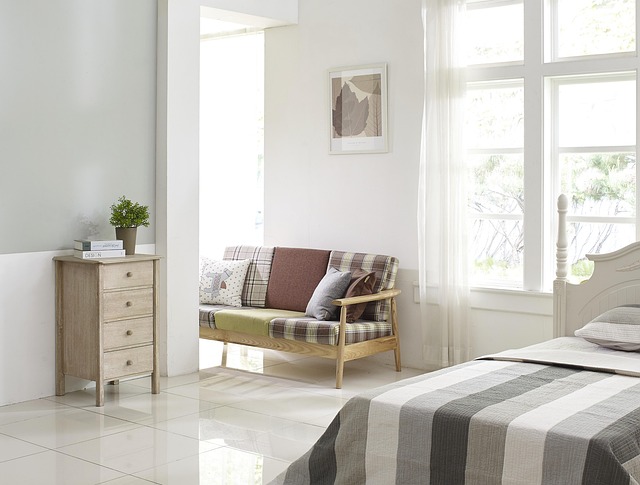
A sofa often becomes the quiet center of everyday life at home. It is where you rest after work, talk with family, scroll on your phone, watch a series, or sometimes work with a laptop on your knees. Because of that, decisions around how it is used and placed have a real impact on daily comfort. Despite appearances, this is not only about looks or current trends. What matters more is how the piece works in a real space and how it responds to the habits of the people who use it. Will the sofa still feel comfortable after a long evening? Does it support your body, or does it force awkward positions? And is visual appeal always compatible with everyday comfort? This article looks at the sofa from a practical perspective, without pressure from perfect interiors or showroom expectations.
The sofa as part of daily routines
Before thinking about color or form, it helps to look closely at how the sofa is actually used. In one home it may serve mainly for short moments of rest, while in another it becomes a place for long conversations, remote work, or time spent with children. These differences shape what really matters in everyday use.
Seat depth, back height, and filling density influence how the body feels after sitting for longer periods. Very soft seating can feel pleasant at first, but over time it may strain the lower back. Firmer cushions often provide better support and tend to keep their shape longer under frequent use. These details are easy to overlook, yet they strongly affect long-term comfort.
Space and layout considerations
A sofa always exists within a specific spatial context. In smaller apartments, every decision affects movement and visual balance. It is worth checking how much room remains around the sofa, especially when it is extended or when people move past it frequently.
In open-plan interiors, the sofa can help define zones. Positioned between the living and dining areas, it naturally separates functions without walls. In such cases, the back of the sofa becomes visible and should feel consistent with the rest of the room. This practical aspect often matters more than decorative details.
Materials and everyday reality
Upholstery choice plays a major role in how a sofa ages. Natural fabrics feel pleasant and breathable, but they may require more careful maintenance. Synthetic materials often handle stains and cleaning better, which can be important in homes with children or pets.
Color also affects daily experience. Light shades brighten a room but tend to show wear more quickly. Darker tones are usually more forgiving, though they can visually weigh down a small space. In real life, compromises are unavoidable, and the best option depends on priorities rather than universal rules.
Design and actual comfort
Designer sofas attract attention through form, proportion, or unusual details. They can give a room a strong identity, yet they are not always comfortable in daily use. Low backs, narrow seats, or rigid armrests may look striking but can limit how the sofa functions during long evenings.
Testing different positions helps reveal these limitations. Sitting upright, leaning back, or standing up from the sofa provides immediate feedback. These simple actions often say more about usability than descriptions or images ever could.
Comfort style in everyday living
The idea of comfort style appears more often in conversations about interiors. Applied to a sofa, it means focusing on ease, flexibility, and a sense of natural use. Softer shapes, movable cushions, and tactile fabrics encourage relaxation without strict formality.
This approach does not reject aesthetics. Instead, visual harmony grows out of practical decisions. A sofa shaped by comfort style often adapts more easily to changing needs and different stages of life, without feeling outdated after a short time.
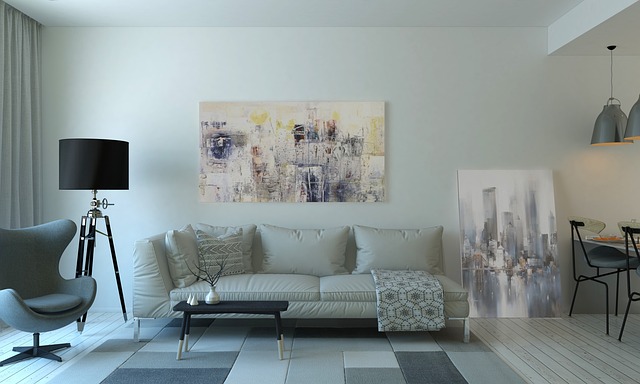
Thinking beyond the first year
A sofa is rarely a short-term purchase. It usually stays in a home for many years, which makes durability and maintenance important topics. Removable covers, replaceable cushions, or solid internal construction influence how the sofa performs over time.
Regular care also matters. Vacuuming upholstery and rotating cushions help distribute wear more evenly. These small habits can noticeably extend the lifespan of a sofa and keep it pleasant to use on a daily basis.
Personal needs over changing trends
Interior trends change quickly, while daily habits remain surprisingly stable. A sofa that fits your routine often proves more satisfying than one chosen purely for its appearance. Inspiration can be useful, but it works best when filtered through personal experience.
If you are considering changes related to your sofa, take time to observe how it supports your everyday life. Think about what feels comfortable, what causes frustration, and which compromises you accept without regret. This reflective approach helps create a living space that feels natural, supportive, and genuinely lived in.